Plain-English Plumbing Help for Homeowners
Understand your home's plumbing, stay safe during sudden leaks, tackle reasonable DIY repairs, and know exactly when to hire a licensed professional.
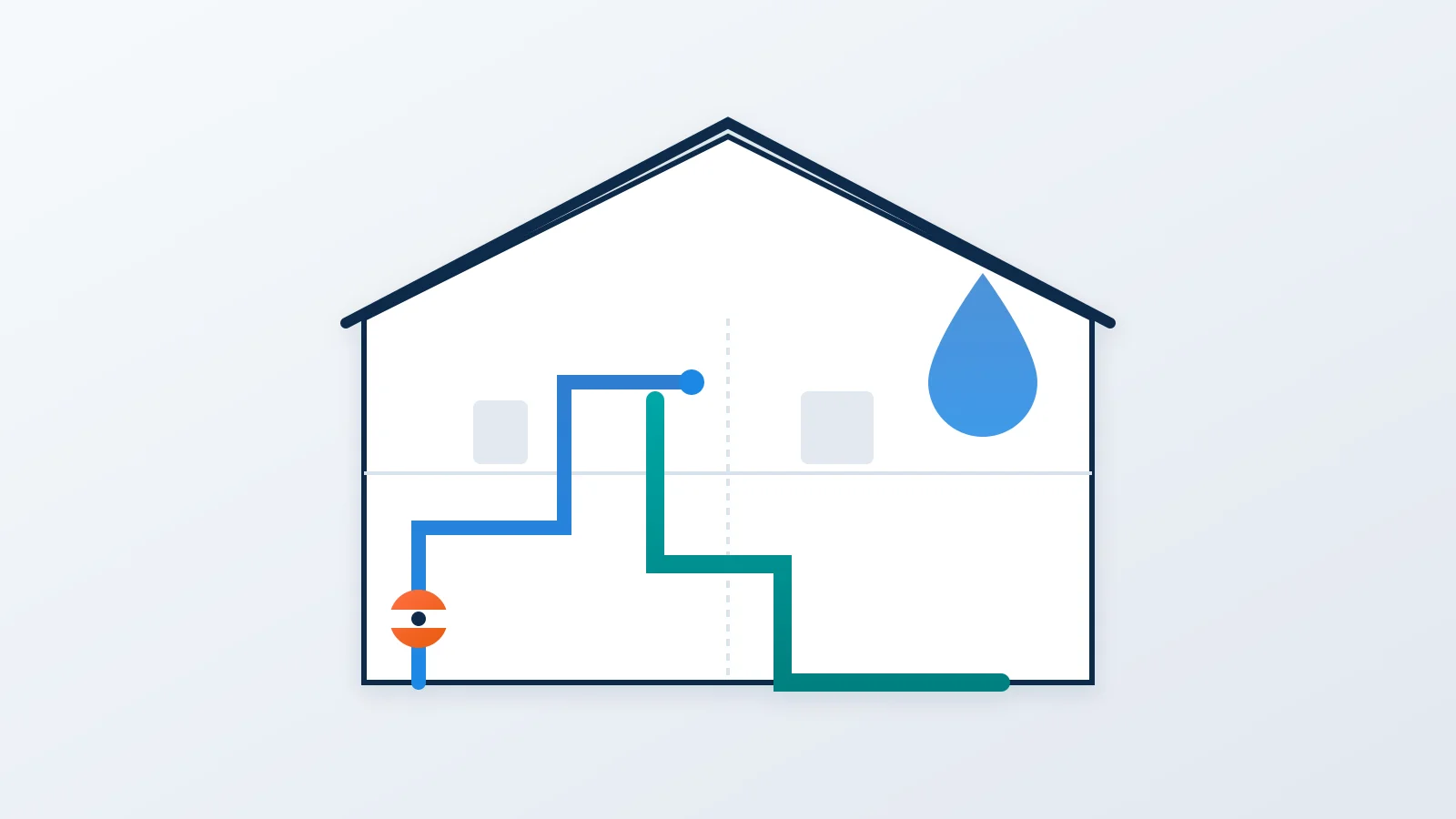
Emergency Quick Actions: Do This First
If you are facing an active crisis, take these immediate protective actions to keep your family safe and limit structural damage:
Gas Odor or Hissing
- Do not touch switches or lighters: Never operate light switches, appliances, or phones indoors.
- Evacuate immediately: Get all people and pets outside to a safe distance right away.
- Call from outside: Call your gas utility emergency dispatch or 911 once safely away.
Burst Pipe or Flooding
- Shut off main water valve: Turn quarter-turn lever 90 degrees or round wheel clockwise until tight.
- Avoid electrical hazards: If water approaches electrical outlets or your panel, stay clear and call utility.
- Drain residual pressure: Open the lowest cold faucet in the home to drain water away from ceilings.
Raw Sewage Backup
- Cease all water usage: Stop flushing toilets, running sinks, dishwashers, and washing machines.
- Avoid contaminated water: Wastewater carries biological pathogens; keep children and pets away.
- No chemical cleaners: Chemical cleaners will sit in stagnant water and create chemical burn risks.
Sudden Complete Water Loss
- Verify fixture spread: Check both hot and cold taps across upstairs and downstairs bathrooms.
- Inspect main shutoff: Ensure no one accidentally bumped or partially closed the main house shutoff.
- Freeze or municipal break: In winter, suspect frozen lines; call your water provider to check outages.
Plumbing Task is an independent educational resource built specifically for American homeowners. We provide straightforward, non-technical guidance to help you diagnose plumbing symptoms, take fast and safe emergency actions, complete simple DIY maintenance, and hire qualified licensed plumbers without being misled by aggressive sales tactics.
Explore 30 Plumbing Services by Category
Browse independent, safety-first homeowner guides covering every major residential plumbing system, diagnostic step, and licensed repair.
Emergency & Leak Response
Rapid guidance for water leaks, freezing temperatures, basement flooding, and foundation pipe breaks.
Emergency Plumbing
Burst pipe, sewage backup, or no water? Learn the first safe steps and which problems truly can't wait.
Leak Detection & Repair
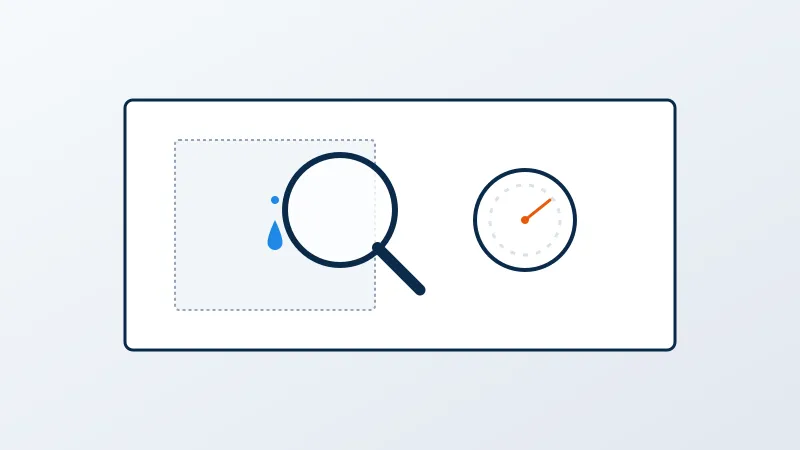
Spot hidden leaks early with a simple meter test, and learn when acoustic or thermal detection is worth a pro.

Burst Pipe Repair
Shut off water, limit damage, and understand repair options for frozen or failed pipes.
Slab Leak Repair
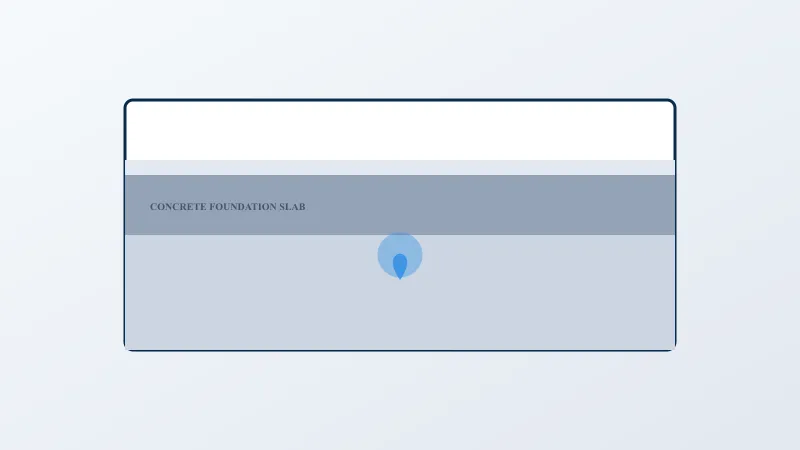
Warm floor spots, unexplained bills, or running-water sounds can signal a leak beneath the foundation.
Frozen Pipe Prevention & Thaw
Prevent freezing, thaw safely (never with an open flame), and know what to do if a pipe splits.
Drains, Sewer & Water Removal
Solutions for slow drains, backed-up toilets, main sewer diagnostics, high-pressure jetting, and sump pumps.
Drain Cleaning
Slow sinks and recurring clogs explained, with safe at-home steps and clear signs it's time for a pro.

Clogged Toilet Repair
Use the right plunger and a closet auger in the right order, and spot clogs that point to a sewer problem.
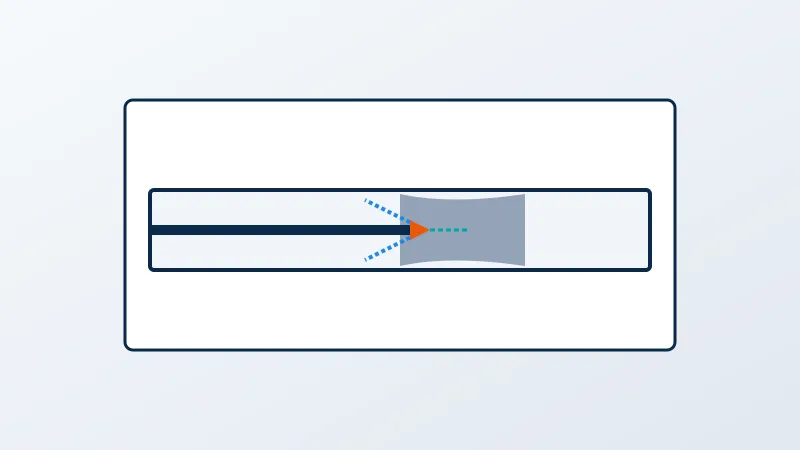
Hydro Jetting
How water-jetting clears grease, scale, and roots, which pipes it suits, and how it differs from snaking.
Sewer Line Repair & Replacement
Recognize the warning signs, compare trenchless and open-trench options, and know what to ask before you hire.
Sewer Camera Inspection
A video inspection can find roots, cracks, and belly spots without digging. Here's when it's worth it.
Sump Pump Services
Keep basements dry: test your pump, learn the failure signs, and consider battery backup.
Water Heaters
Maintenance, efficiency comparisons, troubleshooting, and replacement guides for tank and tankless systems.
Water Heater Repair
Diagnose no hot water, lukewarm showers, noises, and leaks, and learn what's safe to check yourself.
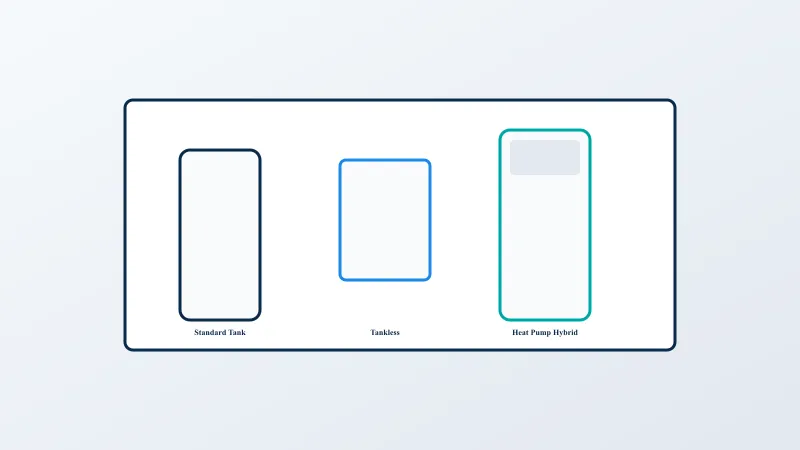
Water Heater Installation & Replacement
Compare tank, tankless, and heat pump options, learn sizing basics, and see what permits and venting involve.
Tankless Water Heaters
How on-demand heaters work, what upgrades gas or electrical service may need, and whether one fits your home.
Fixtures & Rooms
Repair and installation walkthroughs for toilets, faucets, disposals, showers, bathtubs, and appliances.
Toilet Repair & Installation
Running, leaking, or rocking toilet? Common fixes, replacement basics, and WaterSense savings.
Faucet Repair & Installation
Fix drips and low flow, choose a new faucet, and learn when a simple swap becomes a pro job.
Garbage Disposal Repair & Installation
Free a jammed disposal safely, spot leaks, and learn what should never go down the drain.
Kitchen Plumbing
From dishwasher hookups to a pot filler, see how kitchen plumbing fits together and what to plan for.
Bathroom Plumbing & Remodel
Understand how toilets, sinks, and showers connect, and what to plan before a bathroom update.
Shower & Tub Repair
Fix drips and clogs, understand valves and cartridges, and know when a leak means opening the wall.

Washer, Dishwasher & Ice Maker Hookups
Connect appliances correctly: supply lines, drain standpipes, shutoffs, and leak prevention.
Pipes, Pressure & Water Quality
Diagnosis and remediation for whole-house repiping, pressure regulators, filtration, and backflow devices.
Water Line Repair & Replacement
Signs of a failing main water line, who owns which section, and your repair options.

Repiping
Compare copper, PEX, and other materials, see signs your pipes are failing, and how repiping works.
Low Water Pressure
One faucet or the whole house? Narrow down clogs, valves, regulators, and supply issues step by step.
Water Softeners & Filtration
Understand hard water, test before you buy, and compare softeners, filters, and whole-house options.
Backflow Prevention
What backflow is, why devices are required, and why annual testing may apply to your irrigation or home.
Gas, Outdoor & Projects
Safety-critical protocols for gas lines, outdoor spigots, whole-house inspections, and remodel rough-in plumbing.
Gas Line Services
Why gas work is pro-only, the signs of a leak, and what to do: leave first, then call.

Outdoor Plumbing
Winterize spigots, fix leaking hose bibs, and understand irrigation and backflow basics.

Plumbing Inspection
From home buying to annual checkups, see what a plumbing inspection covers and how to read the results.

Remodel & Addition Plumbing
Moving a sink or adding a bathroom? Learn how rough-in, venting, permits, and sequencing work.
DIY or Hire a Pro? The Homeowner Decision Guide
Not every plumbing fix requires a contractor, but attempting the wrong repairs can trigger structural water damage, gas leaks, or code violations. Use this traffic-light guide to decide your next move:
| Task Risk Level | Common Homeowner Jobs | Required Tools & Supplies | Crucial Stop Rule |
|---|---|---|---|
| Green • DIY Friendly | Toilet flapper/fill valve, faucet aerators, showerhead replacement, clearing hair from sink P-traps, plunging toilets, toilet dye leak testing. | Flange plunger, tongue-and-groove pliers, PTFE thread tape, bucket, towels, replacement rubber flapper. | Stop if: The shut-off valve under the fixture won't turn, leaks, or if nuts are rusted and seize under normal pressure. |
| Yellow • Caution / Intermediate | Garbage disposal jam clearance, manual 25-ft hand snake in branch drain, toilet replacement (new wax ring), cartridge swaps on single-handle faucets, tank water heater annual flush. | 1/4-inch hex wrench, closet auger, basin wrench, garden hose for drainage, replacement valve cartridges. | Stop if: Power cannot be isolated at the breaker, water continues flowing past closed shutoffs, or drain snakes meet solid blockages. |
| Red • Licensed Pro Required | Gas line connections or odor, water heater replacement, main sewer line clearing or hydro-jetting, whole-home repiping, under-slab leaks, backflow prevention certification, work requiring permits. | Diagnostic cameras, motorized drum snakes, combustion gas analyzers, press tools, hydrostatic testers. | Mandatory Pro: Gas work carries explosion hazard; unpermitted water heater work risks carbon monoxide and voided insurance. |
Essential Homeowner Plumbing Guides
Preventative guides to protect your home's foundation, water quality, and monthly utility expenses.
Know Your Shutoff Valves
How to locate, label, and test your main water valve, water heater cold stop, and fixture valves before an emergency strikes.
Read Guide →The Water-Meter Leak Test
A reliable 20-minute diagnostic process using your municipal water meter to detect hidden leaks behind drywall and under slabs.
Read Guide →Water Heater Maintenance
Crucial maintenance steps including yearly tank flushing, setting temperature to 120°F, and testing the pressure relief valve.
Read Guide →What Can and Can't Go Down Drains
Protect your sewer line from costly backups: why 'flushable' wipes, fats, and chemical cleaners damage residential plumbing.
Read Guide →Pipe Materials Explained
Identify copper, PEX, CPVC, galvanized steel, and cast iron. Understand lifespan, corrosion risks, and replacement priorities.
Read Guide →Vacation Plumbing Preparation
Step-by-step checklist for leaving your home unattended: main shutoff protocols, water heater vacation settings, and freeze safety.
Read Guide →Seasonal Plumbing Maintenance Calendar
Plumbing stress points change with outdoor temperatures. Stay ahead of pipe bursts and equipment failure year-round:
Thaw & Drainage Prep
- Inspect outdoor hose bibs for hidden winter split pipes before turning on hoses.
- Test your basement sump pump by pouring 5 gallons of water into the sump crock.
- Check under all kitchen and bathroom sinks for slow winter moisture or drips.
Usage & Irrigation
- Check underground irrigation backflow assemblies and sprinkler heads for leaks.
- Inspect washing machine supply hoses for bulges, cracks, or loose fittings.
- Confirm water heater temperature remains at 120°F to prevent summer scalding.
Freeze Prevention Prep
- Disconnect and drain all outdoor garden hoses before freezing temperatures hit.
- Insulate exposed water supply pipes in unheated basements, attics, and crawl spaces.
- Flush sediment out of your water heater tank following the manufacturer manual.
Deep Freeze Protection
- Keep indoor home heat set to at least 55°F even when away on vacation.
- Open vanity cabinet doors during sub-zero snaps so warm room air reaches pipes.
- Let the faucet farthest from the water main trickle slightly during polar vortexes.
How to Choose a Licensed Plumber
Protect your property and budget by following these six steps when hiring a professional plumbing contractor:
- Verify license independently: Check your state or local licensing board directory to confirm current active licensure.
- Require proof of insurance: Ask for certificates of both general liability and workers' compensation coverage.
- Demand itemized written estimates: Never accept verbal quotes. Ensure proposals break out labor, materials, and dispatch fees.
- Compare 2 to 3 written bids: For non-emergency jobs, evaluate multiple proposals to understand realistic regional costs.
- Confirm permit responsibility: Ask who pulls required municipal building permits and coordinates final plumbing inspections.
- Understand written warranties: Get clear documentation distinguishing between manufacturer parts warranties and contractor labor guarantees.
Critical Contractor Red Flags
- Refusal or hesitation to provide their state license number.
- Aggressive sales tactics pushing for whole-home repiping on day one.
- Demands for large cash payments or full payment upfront before work begins.
- Suggesting you do unpermitted work to "save money on inspections".
- Vague invoices without itemized descriptions of replaced components.
California Homeowner Plumbing Guide
Plumbing systems in California are governed by the California Plumbing Code (Title 24, Part 5) and strict CalGreen water conservation standards. From seismic gas shutoff valves in earthquake zones to slab-on-grade leak detection, understand California requirements below:
Statewide Plumbing Mandates in California
Key statutory and code requirements for California single-family homes and condominiums:
California Health and Safety Code § 19211 mandates that all water heaters must be braced or strapped in the upper and lower third to resist earthquake motion.
CalGreen requires maximum flow rates of 1.8 gpm for residential showerheads, 1.2 gpm for lavatory faucets, and 1.28 gallons per flush for toilets.
Municipalities in Los Angeles, San Francisco, and high-seismic fault zones mandate motion-sensitive seismic gas shutoff valves installed at the meter.
Plumbing work exceeding $500 in combined labor and materials legally requires an active, bonded C-36 Plumbing Contractor licensed by the state.
Our Commitment to Accuracy & Transparency
At Plumbing Task, we believe homeowners deserve honest, practical information without fear-mongering or inflated sales claims.
- Strict Independence: We do not accept paid manufacturer endorsements, sponsored reviews, or lead-generation payments that influence our diagnostic guidance.
- Primary Source Citations: All safety procedures, water heater guidelines, and conservation facts are cross-referenced with primary authorities, including the U.S. Department of Energy (DOE), EPA WaterSense, Consumer Product Safety Commission (CPSC), and International Plumbing Code (IPC).
- Honest Pricing Stance: Because regional labor rates and municipal permit costs vary widely, we never fabricate fake national dollar estimates. Instead, we teach you what factors drive pricing and how to compare real written bids.
- Public Corrections: We maintain a transparent process for updating guides and fixing errors. If you spot an inaccuracy, please let us know via our editorial policy page.
Frequently Asked Plumbing Questions
Plain-English answers to the 20 most common questions American homeowners ask about plumbing maintenance, sudden emergencies, and professional repairs.
How do I know if I have a hidden water leak?
Turn off every faucet and water-using appliance, then check your water meter. If the dial or low-flow indicator keeps moving over 15 to 30 minutes, you may have a leak. Other clues include an unexplained jump in your bill, musty odors, stains, or warped flooring. Toilets are a common culprit, so check them first.
Learn more: Detailed guide on leak detection repair
What should I do first when a pipe bursts?
Shut off the main water valve, open the lowest faucet to drain the lines, and turn off your water heater (cut power at the breaker, or set a gas unit to pilot per its manual). Stay away from water near outlets or the electrical panel. Take photos for insurance, then call a licensed plumber.
Learn more: Detailed guide on burst pipe repair
Where is my main water shut-off valve?
It is usually where the water line enters your home: a basement, crawl space, utility room, or garage wall, or near the meter outside in warm climates. Find it before you need it, label it, and turn it once a year so it doesn't seize. Know whether it is a lever or a round wheel handle.
Learn more: Detailed guide on emergency plumbing
How often should I flush my water heater?
Many manufacturers recommend draining or flushing a tank heater about once a year to clear sediment, but instructions differ, so check your manual. Tank heaters often last roughly 8 to 12 years. If yours is older, noisy, or leaking, plan a replacement rather than waiting for a failure.
Learn more: Detailed guide on water heater repair
What temperature should my water heater be set to?
The U.S. Department of Energy suggests 120°F for most homes, which helps reduce scalding risk and energy use. Households with young children, older adults, or health conditions should weigh scald risk carefully, and anyone concerned about bacteria such as Legionella should talk with a plumber or health professional before changing the setting.
Learn more: Detailed guide on water heater repair
Is it safe to use chemical drain cleaners?
They can irritate skin and eyes, release harmful fumes, and may damage some pipes or fixtures. They are also risky if they sit in a standing clog before a plumber arrives. Try a plunger, a hand drain snake, or cleaning the P-trap first. Never mix cleaners. Recurring clogs usually need a professional.
Learn more: Detailed guide on drain cleaning
Why is my toilet running constantly?
Most running toilets come from a worn flapper, a misadjusted float, or a faulty fill valve. Add a few drops of food coloring to the tank; if color shows up in the bowl without flushing, the flapper is leaking. These parts are inexpensive and often DIY-friendly. Left alone, a running toilet can waste a lot of water.
Learn more: Detailed guide on toilet repair installation
What causes low water pressure in a house?
First check whether it's one fixture or the whole house. One fixture often means a clogged aerator or showerhead. House-wide low pressure can point to a partly closed valve, a failing pressure regulator, corroded pipes, a hidden leak, or a supply issue. Home pressure is often cited in the 40 to 60 psi range, and codes commonly cap it near 80 psi.
Learn more: Detailed guide on low water pressure
How much does it cost to hire a plumber?
Prices vary widely by region, job complexity, parts, permits, and whether you call after hours. Rather than rely on a national average, ask for a written estimate that lists labor, materials, trip or diagnostic fees, and warranty terms. For non-emergencies, compare two or three licensed plumbers.
Learn more: Detailed guide on plumbing inspection
How do I choose a licensed plumber?
Verify the license with your state or local licensing authority, ask for proof of insurance, get a written estimate, and read recent reviews on several sites. Ask who pulls permits and what the warranty covers. Be cautious about pressure tactics, cash-only demands, or unusually low bids.
Learn more: Detailed guide on emergency plumbing
Do I need a permit for plumbing work?
Often yes for larger jobs such as water heater replacement, repiping, new gas lines, sewer work, or moving fixtures, but rules differ by city and county. Call your local building department to confirm. A licensed plumber typically handles permits and inspections, which can matter for insurance and resale.
Learn more: Detailed guide on remodel plumbing
When should I call an emergency plumber?
Call for sewage backup, a burst pipe or active flooding you can't stop at a shutoff, a heavily leaking water heater, or no water with signs of a major break. If you smell gas, leave the building first and call your gas utility or 911 from outside.
Learn more: Detailed guide on emergency plumbing
What should I do if I smell gas?
Don't flip switches, use lighters, or make calls inside. Leave immediately with everyone, including pets, and call your gas utility's emergency number or 911 from a safe distance. Don't go back until officials say it's safe. Only a licensed professional should repair gas lines or appliances.
Learn more: Detailed guide on gas line services
How can I prevent frozen pipes?
Insulate exposed pipes in unheated spaces, keep your thermostat on, disconnect outdoor hoses, and open cabinet doors under sinks during hard freezes. Letting a faucet drip can help in extreme cold. Know where your main shutoff is. If a pipe freezes, thaw it gently and never use an open flame.
Learn more: Detailed guide on frozen pipes
Should I choose a tank or tankless water heater?
Tank heaters store hot water and usually cost less upfront. Tankless heaters heat on demand and can last longer and save energy for some homes, but they cost more to install and may need larger gas lines, venting, or electrical upgrades. Flow-rate limits matter if several fixtures run at once.
Learn more: Detailed guide on tankless water heaters
Why does my drain smell?
Common causes include a dry P-trap in a rarely used drain, biofilm buildup, a clog, or a venting problem. Run water for a minute to refill the trap and clean the drain. If sewage odors persist or show up in several drains, call a plumber, because sewer gas shouldn't be ignored.
Learn more: Detailed guide on drain cleaning
How long do household pipes last?
It depends on material, water chemistry, and installation. As rough rules of thumb, copper is often cited at 50+ years, galvanized steel around 40 to 60, and PEX around 40 to 50 or more. Older polybutylene and lead pipes are a concern. A plumbing inspection can tell you what you actually have.
Learn more: Detailed guide on repiping
What should never go down a toilet or drain?
Only toilet paper and human waste belong in the toilet. 'Flushable' wipes, paper towels, feminine products, and floss cause clogs. In sinks, avoid grease, oils, coffee grounds, and fibrous or starchy scraps, especially with a disposal. When in doubt, throw it out.
Learn more: Detailed guide on clogged toilet repair
Can I replace a faucet or toilet parts myself?
Often yes. Replacing a flapper, fill valve, or faucet can be a good DIY project if your shutoff valves work and you have the right tools. Stop and call a pro if shutoffs are corroded or won't hold, pipes look damaged, or you're not comfortable.
Learn more: Detailed guide on faucet repair installation
Does homeowners insurance cover plumbing damage?
Many policies cover sudden, accidental water damage but not slow leaks, wear and tear, or the cost of repairing the failed pipe itself. Sewer backup often requires an optional endorsement. Policies differ, so read yours or ask your agent, and document damage right away.
Learn more: Detailed guide on burst pipe repair
Need Immediate Guidance for Your Plumbing Issue?
Describe your symptom to our automated triage helper, or explore our full library of 30 comprehensive residential service guides.